


-

Add: HeBei ShengShi HongBang Cellulose Technology CO.,LTD.
-

Email
13180486930@163.com -

CONTACT US
+86 13180486930
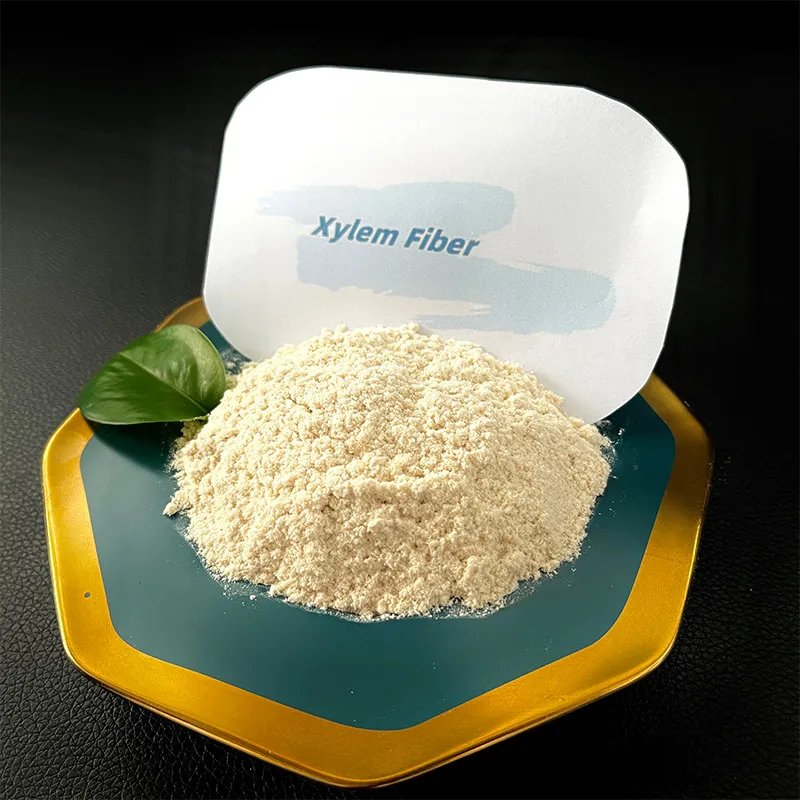


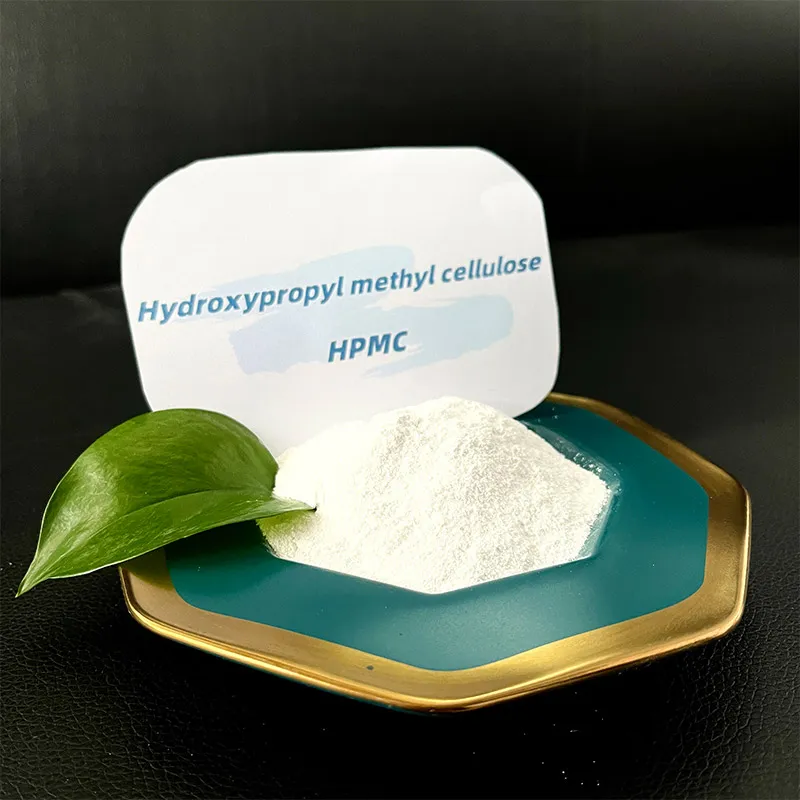



Гидроксипропилметилцеллюлоза (гипромеллоза) капсулы становятся все более популярными на мировом рынке благодаря своим многочисленным преимуществам в сравнении с традиционными капсулами, изготовленными из желатина. Гипромеллоза - это полимер природного происхождения, который делает эти капсулы более устойчивыми и экологически чистыми. Давайте более подробно рассмотрим преимущества и динамику рынка HPMC капсул, опираясь на реальный опыт, экспертное мнение и данные исследований. Рынок капсул из гипромеллозы значительно вырос в последние годы, и прогнозы указывают на дальнейший рост в связи с увеличением спроса на растительные альтернативы в фармацевтической и пищевой промышленности. Все большее количество потребителей переходит на веганский образ жизни, что способствует увеличению спроса на растительные продукты, в том числе и капсулы. В связи с этим, производители в сфере капсул переходят на использование гипромеллозы, которая удовлетворяет эти новые потребности. Экспертные исследования показывают , что капсулы из гипромеллозы обладают рядом преимуществ. Они характеризуются высокой стабильностью относительно различных условий окружающей среды, таких как температура и влажность. Это свойство делает их особенно подходящими для доставки активных веществ, которые могут быть нестабильны в капсулах из животного желатина. Помимо этого, капсулы HPMC являются безопасными для широкой целевой аудитории, включая людей с различными диетическими ограничениями, такими как веганы, вегетарианцы и те, кто страдает аллергией на определенные компоненты животного происхождения. Они также гипоаллергенные, что делает их более привлекательными на рынке с точки зрения безопасности и толерантности. Рыночная экспертиза показывает, что инновации в производственных процессах HPMC капсул ускоряют их адаптацию в фармакологии и в сфере спортивного питания. Процесс производства более экологичен, что привлекает внимание компаний, стремящихся к устойчивому развитию. Такие изменения, как снижение выбросов углерода и уменьшение зависимости от животных источников, добавляют HPMC капсулам репутацию экологически безопасного выбора. Рынок капсул HPMC Авторитетные агентства по контролю качества и безопасности продуктов одобряют гипромеллозные капсулы, подтверждая их неоспоримую пользу и безопасность. Все больше исследовательских учреждений подтверждают их эффективность в доставке лекарственных средств, что создает дополнительный доверие к этому продукту среди медицинских работников и конечных потребителей. На данный момент существует несколько ключевых игроков на рынке, активно продвигающих и внедряющих продукты на основе гипромеллозы. Эти компании делают акцент на инновационные методологии производства, обеспечивая тем самым высокое качество и соответствие международным стандартам. Потребительское доверие к HPMC капсулам постоянно растет, благодаря чему они становятся не только популярным выбором среди пользователей, но и надежным партнером для врачей и фармакологов. Фактические данные потребительских опросов говорят о положительном восприятии и большей удовлетворенности данным продуктом. Таким образом, рынок капсул из гипромеллозы продолжает активно развиваться, предъявляя высокие стандарты качества и безопасности. Основанный на экспертных знаниях, доверии и длительном опыте пользователей и производителей, он обещает оставаться устойчивым трендом в мире капсул.
- 40000tons

Production
- 20+years

Experience
- 5000+㎡

Acreage

-
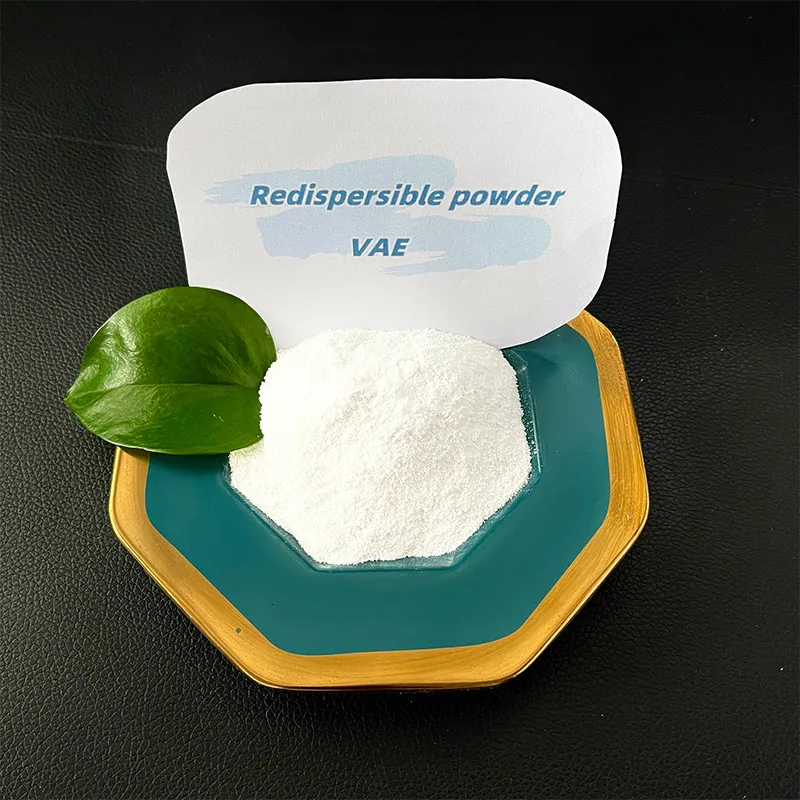
The gypsum retarder chemical is a crucial component in the world of plastering and construction. Gypsum, widely used in drywall and other building materials, has a natural tendency to set quickly. This is where a gypsum retarder chemical comes in—helping to slow down the setting time of gypsum-based materials. It allows for more flexibility during the application process, ensuring that workers have ample time to smooth, mold, and finish their plaster without the pressure of it hardening too soon. The role of the gypsum retarder chemical is particularly important for large-scale projects or when working in high-temperature environments, where gypsum sets faster than desired. By adding the retarder, contractors and plasterers can achieve smoother finishes and more accurate detailing, giving the end product a higher quality. The chemical's ability to slow down the hydration process makes it indispensable in situations where precision is key. Moreover, the gypsum retarder chemical helps prevent premature hardening, which can lead to cracks and other imperfections. For anyone working with plaster, whether for construction or artistic purposes, this chemical is a vital tool to ensure that the application process goes smoothly and the final result is flawless. Gypsum Plaster Retarder: Enhancing the Workability of Plaster When dealing with gypsum plaster retarder , you are essentially adding a substance that improves the workability of gypsum plaster. This retarder is specifically designed for plaster products, ensuring that they remain pliable for longer periods, thus giving the user more control over the setting time. It is especially useful for projects that require intricate detailing, as the extended work time reduces the risk of imperfections due to the quick setting of the plaster. The gypsum plaster retarder is added in small quantities during the mixing phase, where it interacts with the plaster’s composition to delay the setting reaction. By extending the time before hardening begins, this retarder provides artisans, contractors, and plasterers the ability to manipulate the plaster for a more professional finish. This is particularly beneficial when working with decorative plasterwork or large surface areas where precision and detail matter. In addition to improving the application process, the gypsum plaster retarder also helps maintain the integrity of the plaster. Since it slows down the setting time, it prevents the plaster from becoming too brittle too quickly, which can lead to cracks and breaks in the finished product. With the help of a gypsum plaster retarder , you can ensure your plaster job remains durable and beautiful for years to come. Trisodium Citrate Plaster Retarder: A Versatile Solution for Plastering One of the most widely used chemicals in the plaster industry is trisodium citrate plaster retarder , which has gained popularity due to its effectiveness in controlling the setting time of gypsum. Trisodium citrate plaster retarder works by interacting with the gypsum crystals during the hydration process, slowing down the chemical reaction that causes the plaster to harden. This gives users a longer period to work with the material, making it especially valuable in construction and renovation projects. The primary advantage of using trisodium citrate plaster retarder is its ability to delay the setting time without compromising the quality of the plaster. It can be used in a variety of applications, from simple wall coverings to intricate moldings and ornamental work. The versatility of this retarder ensures that it can be used in both large-scale industrial settings and smaller, more detailed artistic projects. Another benefit of trisodium citrate plaster retarder is that it is environmentally friendly compared to other chemical retarders. As a naturally occurring substance, trisodium citrate is safer for both the environment and the workers handling it. This makes it an excellent choice for those looking to create high-quality plasterwork while maintaining sustainability in their practices. Most Common Retarder in Gypsum: The Key to Perfect Setting Control The most common retarder in gypsum is often the go-to option for professionals in the plastering industry due to its reliability and consistency in performance. While there are various types of retarders available on the market, the most common retarder in gypsum is typically based on chemicals like citric acid or sodium-based compounds, which effectively slow down the hydration process. These compounds are particularly effective in gypsum plaster because they work well within the material’s chemical makeup. The use of the most common retarder in gypsum is not just limited to construction but extends to decorative applications, such as sculpting or making detailed plaster casts. By extending the time it takes for gypsum to set, the retarder allows for greater flexibility, ensuring that complex molds and fine details can be achieved without the material hardening prematurely. Moreover, the most common retarder in gypsum is available in various forms, including powders and liquid solutions, giving users the option to choose the best form for their specific project. Whether you are creating intricate designs or applying a simple plaster coat, this retarder is an invaluable addition to your plastering toolbox. By choosing the most common retarder in gypsum , you can achieve flawless results and meet the high standards expected in the industry. Choosing the Right Gypsum Retarder for Your Project When it comes to choosing the right gypsum retarder, understanding the needs of your specific project is crucial. Whether you are working with gypsum retarder chemical , gypsum plaster retarder , or trisodium citrate plaster retarder , the choice depends largely on the nature of the task at hand. For standard applications, the most common retarder in gypsum will often suffice. However, for more complex projects that require precise control, like decorative plaster work or large-scale construction, a specialized retarder may be necessary. Choosing the right product also depends on factors like environmental conditions. For example, if you are working in a hot, dry climate where gypsum sets quickly, using a high-performance gypsum plaster retarder will help you manage the setting time more effectively. On the other hand, in cooler climates, the need for a retarder may not be as urgent, but it can still improve your efficiency. As a final consideration, ensure that the retarder you choose is compatible with the specific gypsum product you are using. Some gypsum formulations may respond better to one type of retarder over another. Working with a trusted supplier who understands these nuances will help you make an informed decision and achieve the best results for your project. G ypsum R etarder C hemical FAQs What is a gypsum retarder chemical? A gypsum retarder chemical is a substance added to gypsum materials to slow down their setting time. This gives the user more time to manipulate and apply the plaster without worrying about it hardening too quickly. How does trisodium citrate work as a plaster retarder? Trisodium citrate plaster retarder works by slowing down the hydration process of gypsum, preventing it from setting too quickly. This extends the time for application, making it easier to work with and allowing for more intricate and detailed plastering. Is trisodium citrate environmentally friendly? Yes, trisodium citrate plaster retarder is considered environmentally friendly. It is a naturally occurring substance that is safe for both the environment and those using it in plastering applications. Which is the most common retarder used in gypsum? The most common retarder in gypsum is often based on citric acid or sodium compounds. These chemicals effectively slow down the setting time of gypsum, allowing for better control during application. Where can I purchase gypsum retarders for my projects? Our website offers a variety of gypsum retarders including gypsum retarder chemical , gypsum plaster retarder , and trisodium citrate plaster retarder . Visit our site today to choose the best retarder for your needs and enhance the quality of your plastering work.
-
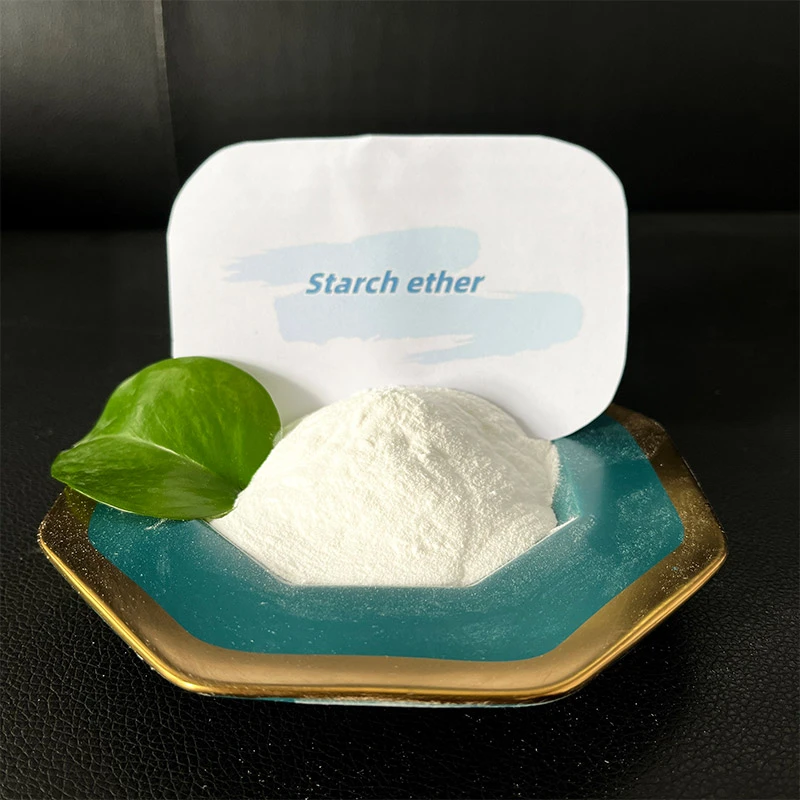
Hydroxypropyl Methylcellulose (HPMC) has seen a surge in demand across various industries, making the buying process an area of great interest. For those seeking to purchase HPMC, having a comprehensive understanding of the product, coupled with insights from industry professionals, is essential. An important characteristic of HPMC is its versatile applicability. With its non-toxic, tasteless, and odorless attributes, it is commonly used in pharmaceuticals, construction, food, and personal care products. In pharmaceuticals, HPMC acts as a binder and time-release agent, ensuring effective delivery of active ingredients. For construction, it enhances water retention and workability in products like cement and mortar, showcasing its pivotal role in the building sector. Purchasing HPMC demands expertise from industry insiders who emphasize the importance of quality . Experts recommend sourcing from certified manufacturers who adhere to international standards such as ISO and GMP. These certifications guarantee that the HPMC is manufactured under stringent quality control, ensuring product reliability and safety for end-users. Real-world experience highlights the importance of considering particle size and viscosity levels when buying HPMC. Different applications require specific viscosity ranges; for instance, higher viscosity HPMC is ideal for tile adhesives, whereas lower viscosity types might be better for pharmaceutical applications. Experienced professionals suggest requesting product samples to conduct application-specific tests before making bulk purchases. This not only ensures compatibility but also prevents potential product wastage. Authoritative voices in the industry emphasize the significance of understanding regional regulations. Product compliance can often vary depending on geographical location, affecting the import and usage of HPMC. Therefore, it is advisable to consult with regional experts and legal advisors to navigate through these regulatory frameworks effectively. hpmc buy Trustworthiness in the HPMC supply chain is another crucial factor. Buyers are advised to perform due diligence on suppliers. This includes reviewing company histories, customer testimonials, and case studies. Opting for suppliers with a proven track record, robust customer support and transparent business practices can significantly diminish risks associated with quality and delivery schedules. For ensuring seamless transactions, economic considerations play a pivotal role. Bulk purchasing can lead to significant cost reductions. However, financial experts suggest balancing purchase volume with inventory management to avoid overstocking, which could lead to increased holding costs. Developing a strategic purchasing plan with flexible terms can optimize financial outcomes while securing a steady supply of HPMC. Finally, leveraging technology can greatly aid in the HPMC procurement process. Utilizing supply chain management software can streamline operations, providing real-time updates on inventory levels, shipment tracking, and vendor communication. Such tools enhance efficiency, ensuring that the acquisition process aligns with business objectives. In conclusion, buying HPMC involves a blend of understanding its applications, ensuring quality through certified suppliers, adhering to regulations, establishing trust with vendors, managing economic factors wisely, and incorporating technological solutions. By focusing on these aspects, businesses can make informed decisions, optimizing the benefits of HPMC across their respective industries.
advantages
-

200000 Viscosities
Excellent product
We can produce pure products up to 200,000 viscosities
-

40000 tons
High yield
We don’t stop production all year round, and the annual output can reach 40,000 tons
-

24 hours
Quality service
We provide 24-hours online reception service, welcome to consult at any time
———— Inquiry Form
Schedule A services

-
 is_hpmc_safe
Oct . 25, 2025
Hydroxypropyl Methylcellulose (HPMC) is a multifaceted compound that has garnered significant attent -
 polypropylene_fiber_characteristics
Oct . 25, 2025
Starch derivatives are gaining significant traction in various industries due to their versatile app -
 hpmc_gelation
Oct . 25, 2025
In the modern construction industry, the performance of building materials is critical to ensuring d


